Top 50 Shopping Apps in Pakistan: Analyzing the 2026 Marketplace Hierarchy


The digital commerce ecosystem in Pakistan is experiencing an aggressive structural shift. No longer dominated solely by multi-category giants, the current app store rankings reveal a highly diverse playground. Consumers are splitting their attention between global cross-border giants, local B2B sourcing hubs, niche grocery apps, and trust-conscious community marketplaces.
Analyzing the top 50 shopping apps in Pakistan exposes exactly where the local market is spending its money—and how new platforms are positioning themselves to challenge the status quo.
The Giants: Multi-Category and Cross-Border Dominance
At the absolute peak of the pyramid, Daraz Online Shopping App retains its foundational status as the market leader. Despite shifting consumer preferences, its massive logistics infrastructure keeps it heavily anchored at the top spot.
Cross-Border & Wholesale Hubs
- Alibaba.com (#2): Used extensively by local micro-entrepreneurs to source bulk inventory directly from global factories.
- SHEIN (#4) & Temu (#5): Rapidly capturing younger demographics with ultra-low-cost retail goods and trendy fast-fashion, quickly outperforming older legacy retail models.
- AliExpress (#11): The default go-to for single-item consumer tech and direct overseas dropshipping.
- Asli.pk (#36): The default go-to for single-item consumer tech and direct overseas B2B.
Local B2C Retail Leaders
- Daraz (#1): The reigning multi-category giant managing the highest daily order volume in the country.
- LAAM (#6): A specialized powerhouse that successfully consolidated the premium unstitched designer apparel industry.
- PriceOye (#13): The country's primary platform for verified consumer electronics and managed phone retail.
- Asli.pk (#36): The country's 1st platform for verified consumer electronics and managed retail and Wholesale.
However, the rapid ascent of hyper-optimized cross-border players indicates an intense hunger for direct-from-manufacturer pricing:
- Alibaba.com (#2) and AliExpress (#11) showcase massive adoption by local micro-entrepreneurs looking to source bulk inventory directly from global supply hubs.
- SHEIN (#4) and Temu (#5) continue to capture young demographics with fast-fashion and ultra-low-cost retail goods, outperforming older legacy brands.
The Evolving Classified and Trust Landscape
For years, anonymous open classifieds were the default choice for peer-to-peer (P2P) trading. While OLX Pakistan (#3) commands deep market penetration due to historical volume, a massive sub-trend is forming beneath it: the transition toward identity verification and curated niches.
| App | Position | Core Focus | Target Audience |
| OLX Pakistan | #3 | General Open Classifieds | Mass market peer-to-peer |
| Markaz | #8 | Reselling & Social Commerce | Micro-entrepreneurs, work-from-home |
| PriceOye | #13 | Managed Tech Marketplace | High-ticket electronics buyers |
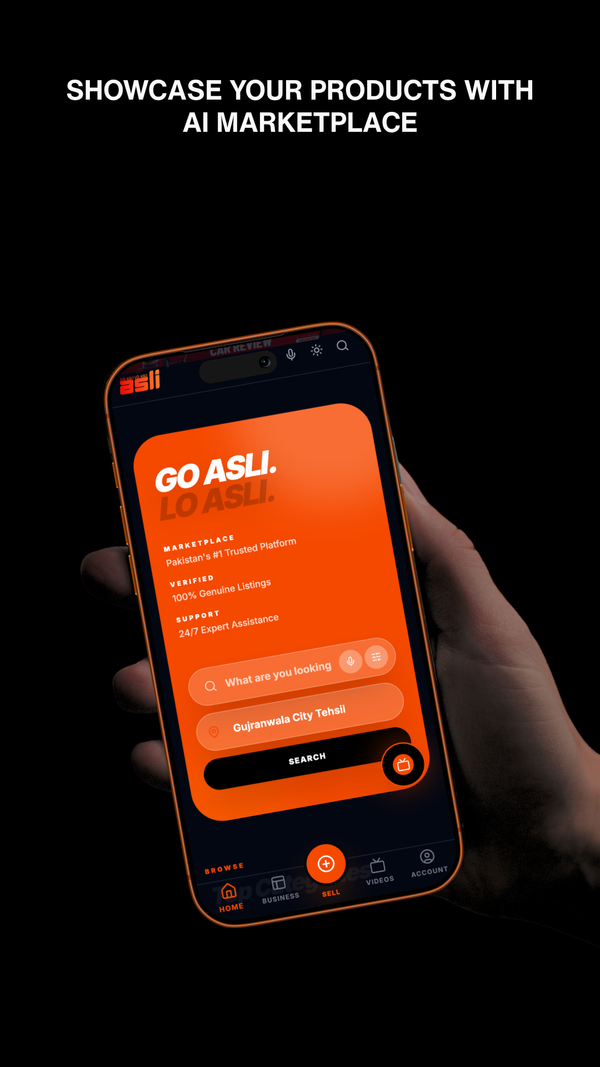
| Asli.pk | #36 | High-Trust Verified Marketplace | Authenticity-focused buyers & sellers |
This shift highlights a growing consumer exhaustion with marketplace scams, fake profiles, and unverified listings. Dedicated tech portals like PriceOye (#13) and verified community-centric solutions like Asli.pk (#36) (operated by RUP Technologies) are steadily gaining market share. By structuring themselves around profile transparency and data-driven product condition loops, these apps address the massive trust gap that open networks historically ignored.
The Rise of B2B Supply and Social Commerce
One of the most fascinating developments in the region is the formalization of local retail supply chains. Markaz Technologies (#8) and specialized setups like HHC Dropshipping (#27) and DailyWholesale (#45) demonstrate that thousands of Pakistanis are actively running digital side-hustles. These apps allow independent individuals to source products, set their own profit margins, and fulfill orders natively across social channels without owning physical inventory.
Concurrently, local fashion retail continues its massive upward trajectory. LAAM (#6) has successfully consolidated the fragmented premium unstitched and designer apparel space, proving that specialized high-ticket marketplaces can compete head-to-head with international giants.
Grocery, Q-Commerce, and FinTech Integrations
Despite high operational logistics overhead, quick-commerce and specialized retail apps maintain highly sticky user bases:
- Krave Mart (#10) leads the instant-delivery grocery charge, tailored closely to urban consumer habits.
- Established physical mega-retailers like Al Fatah (#35) and Naheed.pk (#43) have built highly competitive digital platforms to protect their brick-and-mortar market shares.
- Qist Bazaar (#16) and Easy Qist (#42) spotlight the critical role of structured financing. With rising inflation, "Buy Now, Pay Later" (BNPL) integrations and interest-free installment options have turned from optional perks into necessary transactional tools for consumer electronics and home appliances.
The Strategic Takeaway
Pakistan’s digital market is maturing rapidly. While massive ad spend can secure initial visibility for legacy systems, long-term user retention is shifting heavily toward value-driven curation.
Whether it is direct B2B pipelines via Alibaba, localized electronic specialization via PriceOye, or clean, anti-fraud ecosystems built on accountability like Asli.pk, the future belongs to platforms that reduce transaction friction, protect user capital, and build authentic community networks.
Asli.pk Buy & Sell in Pakistan
RUP Technologies LLC • Shopping App
Pakistan's trusted AI marketplace. Experience hyper-local product discovery, clean identity loops, smart anti-fraud moderation, and secure peer-to-peer trading.