Complete Guide to Safe Cash on Delivery (COD) Transactions


Protect your business from delivery scams. Master the mechanics of safe Cash on Delivery (COD) services for open online marketplaces.
Cash on Delivery (COD) remains the absolute engine of e-commerce across Pakistan. It bridges the trust gap: buyers feel secure knowing they only part with their money when the package physically arrives at their doorstep.
However, for open marketplace sellers and independent traders, COD comes with hidden operational vulnerabilities. Fraudulent returns, fake customer details, and delivery rejections can quickly eat into your profits. Here is how to run a watertight COD workflow.
The True Cost of High RTO (Return to Origin)
When a buyer refuses a package at the doorstep, or provides a fake address, the shipping courier charges the seller for the return freight. If your return rate climbs above 15%, your margins vanish.
| Metric | High Risk Setup | Optimized Secure Setup |
|---|---|---|
| Buyer Verification | None (Anonymous) | SMS OTP / Profile History |
| Address Quality | "Near main gate" | House, Street, Sector, City |
| RTO Rate Avg | 18% - 25% | Less than 5% |
Steps to Secure Your Shipments
Step 1: Voice Verification is Non-Negotiable
Never ship a marketplace order based on a text chat alone. Call the buyer directly. Confirm their exact delivery address, full name, and double-check that they understand the final pricing structure. If the phone number is continuously switched off or unreachable, do not ship the package.
Step 2: Record the Packaging Process
Before sealing any high-value item (like electronics, clothing, or cosmetics), take a quick video showing the item's operational state, its serial number, and the action of placing it into the courier bag. If a buyer claims they received an empty box or a broken item, you have undeniable data-driven proof for your courier claim.
Step 3: Leverage Verified Communities
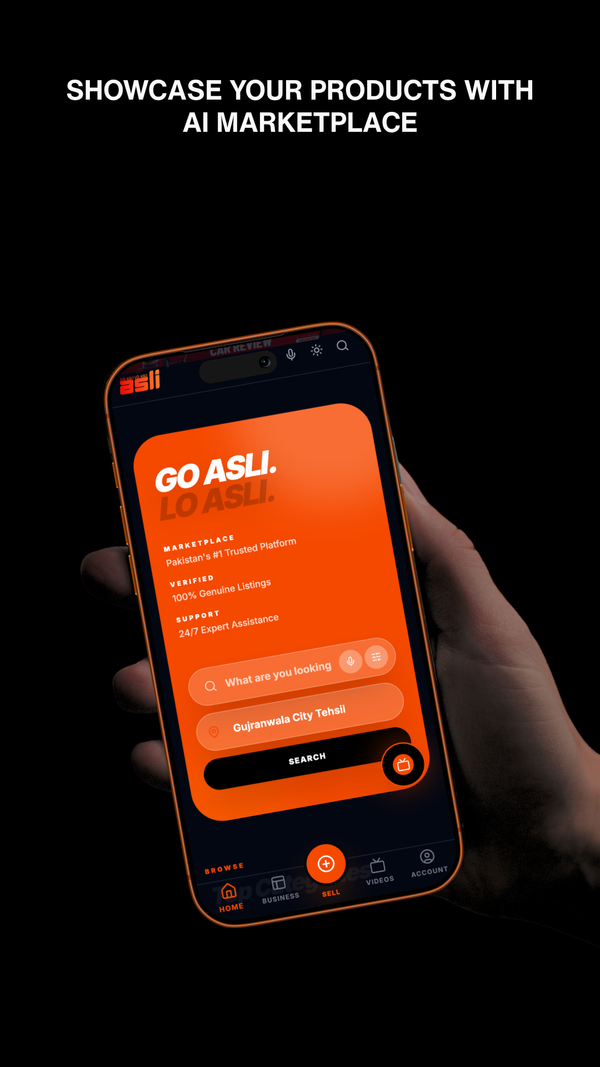
The ultimate shield against delivery fraud is utilizing a platform that pre-verifies its base. On Asli.pk, we focus on vetting profiles beforehand. When you interact with users on a trusted, transparent marketplace, the risk of phantom orders and doorstep rejections drops dramatically.